How much do solar panels really cost in Nigeria in 2026? We break down panel, inverter and battery prices, what affects them, and how to budget for a full installation in Abuja and beyond.
With grid electricity tariffs climbing and fuel prices refusing to come down, more Nigerian families and businesses are asking the same question: what does it actually cost to go solar in 2026? The honest answer is "it depends" — but this guide breaks down exactly what it depends on, so you can budget with confidence.
What Determines the Price of a Solar System in Nigeria?
Four components drive most of the cost of any solar installation:
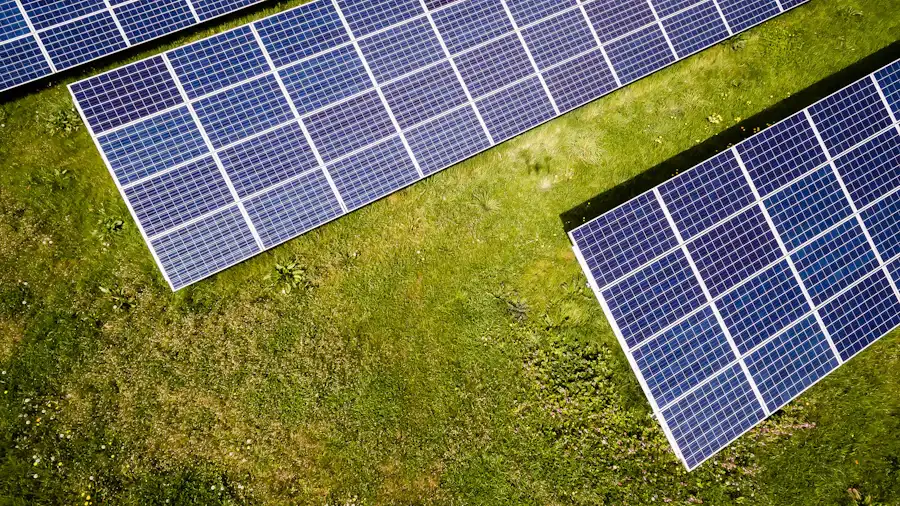
- Solar panels — priced per watt. Tier-1 monocrystalline panels currently retail between ₦280 and ₦450 per watt depending on brand and volume.
- Inverter — the heart of the system. A quality 3.5kVA hybrid inverter starts around ₦450,000, while 5kVA – 10kVA units range from ₦700,000 to over ₦2,500,000.
- Batteries — usually the single largest cost. Lithium iron phosphate (LiFePO4) batteries dominate new installations because they last 8–15 years versus 2–4 years for tubular batteries.
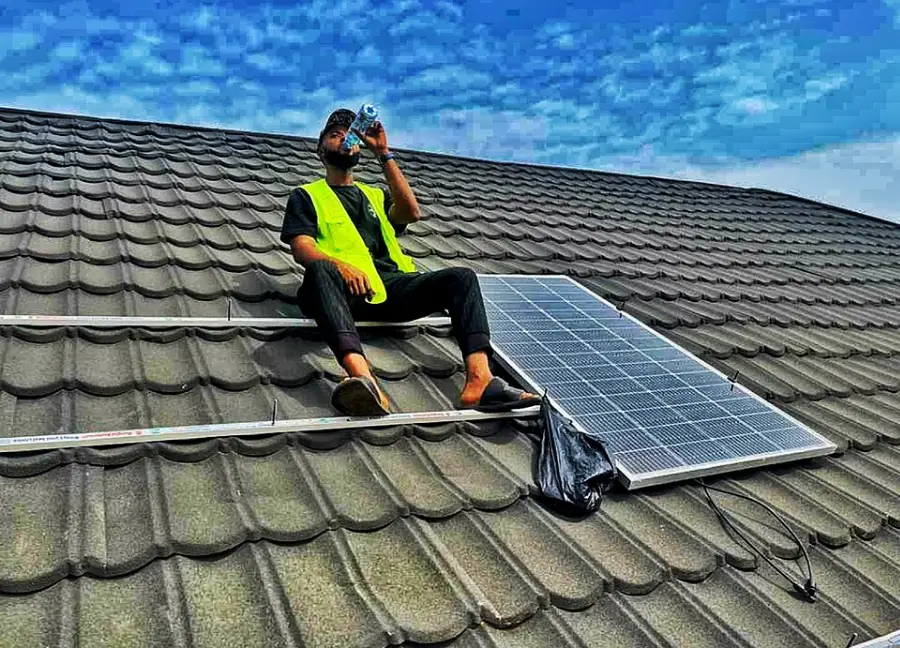
- Installation & balance of system — mounting rails, breakers, cabling, surge protection and professional labour typically add 10–20% to hardware cost.
Typical Package Prices in 2026
At IsiPower Hub we design every system around the customer's actual load, but these ranges are a realistic starting point for Abuja and most of Nigeria:
- Starter home (1–1.5kVA): ₦850,000 – ₦1,200,000. Lights, fans, TV, phones and a small fridge.
- Family home (3.5–5kVA): ₦1,950,000 – ₦3,500,000. Everything above plus a freezer, washing machine and one or two inverter air conditioners.
- Business / office (5–10kVA): ₦3,500,000 – ₦8,000,000. Continuous power for shops, clinics, offices and lounges.
Why Prices Vary So Much
Two quotes for "a 5kVA system" can differ by over a million naira. The differences usually hide in:
- Battery chemistry and depth of discharge — a 5kWh lithium battery delivers far more usable energy than a 200Ah tubular bank, even though the tubular option looks cheaper on paper.
- Panel quality — genuine tier-1 panels (Jinko, JA Solar, Canadian Solar, Longi) cost more than unbranded imports but keep producing at 85%+ output after 25 years.
- Inverter brand — reputable hybrid inverters carry real warranties and local support.
- Workmanship — proper DC protection, earthing and cable sizing prevent fires and premature failures. This is not the place to save money.
Is Solar Worth It in 2026?
For most households running a generator 4+ hours daily, a properly sized solar system pays for itself in 18–30 months from fuel savings alone — and keeps saving for 20+ years after that. With Band A tariffs now above ₦200/kWh in many areas, even grid-connected homes see meaningful savings.
Get an Exact Price for Your Home
The only accurate quote is one based on your actual appliances and usage. IsiPower Hub offers a free energy audit and site survey across Abuja — we measure your load, inspect your roof and design a system that fits your budget. Request your free quote here or chat with us on WhatsApp today.
Ready to Put This Into Practice?
Get a free energy audit and an itemised quote for your home or business — no obligation.